EV owners should pay attention to the post-charging phase, as this is crucial for battery health. After charging, battery cells equalize in temperature, voltage, and current flow, which can lead to enhanced range, reduced heat, and extended battery life. Smart EV owners utilize this time to optimize their battery performance.
Seven Data Back Things Always do after Charging
Here are seven data back things you should always do after charging. These are the OG habits that separate pros from everyone else.
1 Balancing Cycle Finish
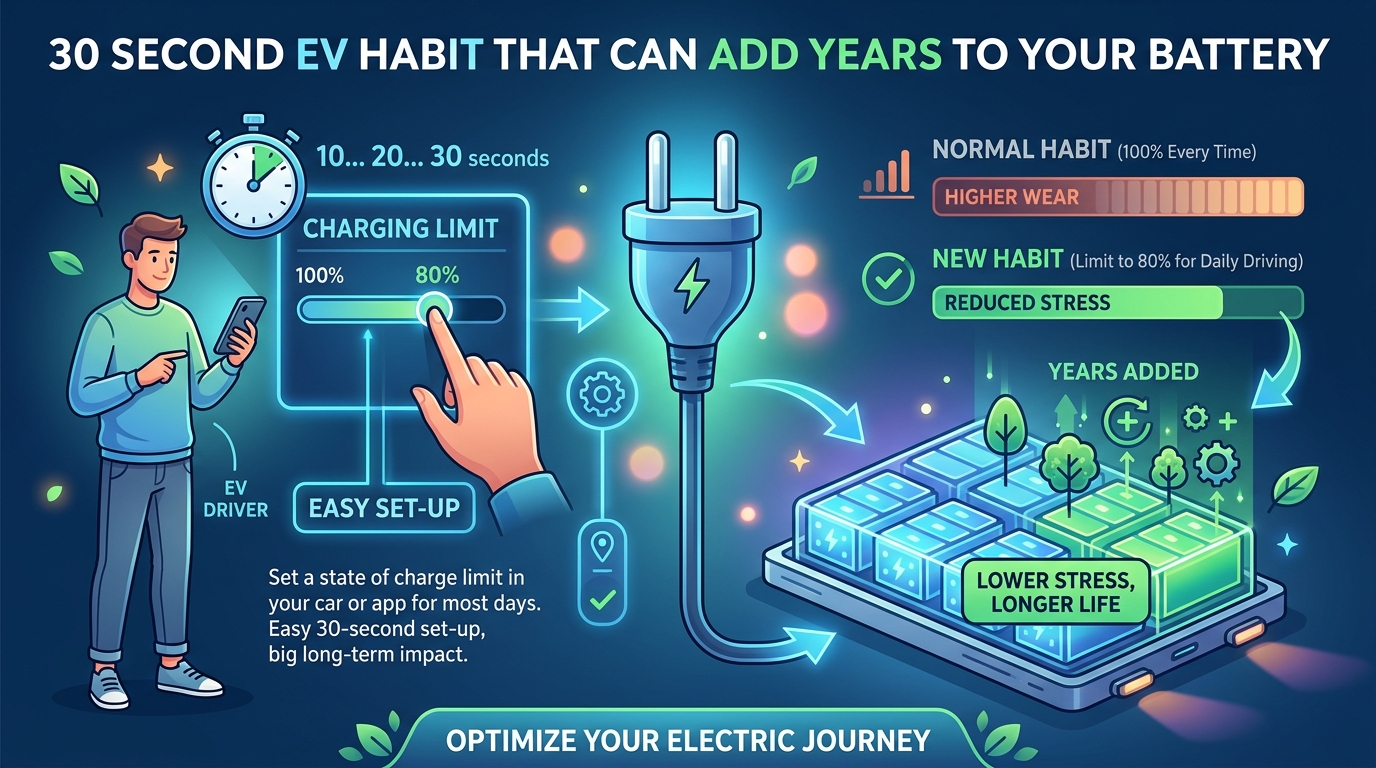
Once an EV battery reaches 100% charge, it experiences stress similar to a shaken soda bottle, leading to slow damage due to high voltage and heat, which are detrimental to battery health. To mitigate this, it’s advisable to keep the charge between 20% and 80% during normal use. Full charges should be reserved for long trips, with charging timed to finish just before departure and unplugging as soon as possible to minimize stress on the battery.
2 Driving Hard Right After a Fast Charge
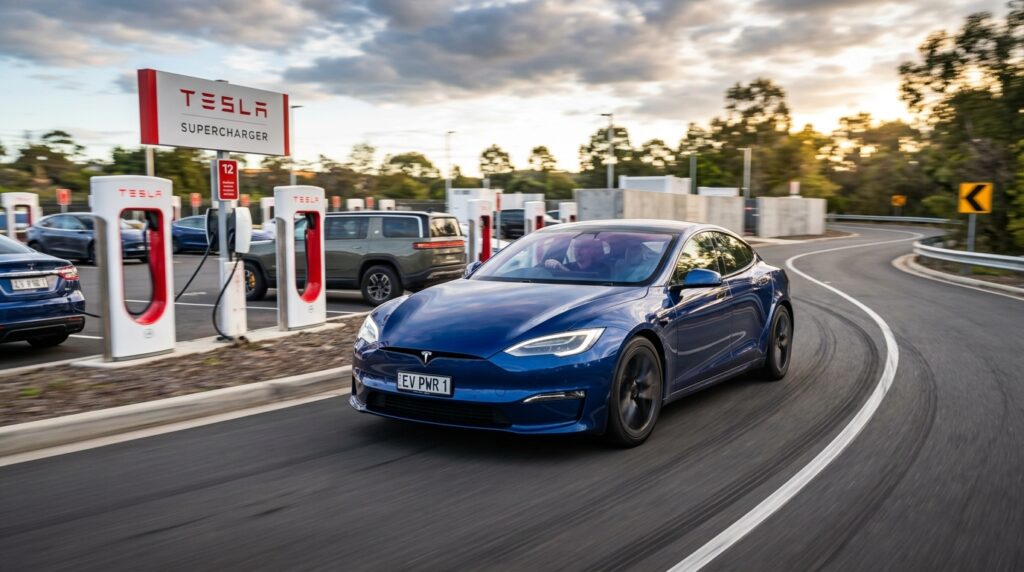
After a fast charge, it’s crucial to allow your electric vehicle (EV) battery some time to cool down before driving aggressively. Fast charging raises the battery’s temperature, and hitting the highway immediately can exacerbate heat and lead to quicker chemical aging. This effect might not be immediately noticeable, but it can significantly reduce the battery’s range over time. To extend battery life, park for 5 to 10 minutes after charging and drive gently during the first few miles, avoiding rapid acceleration. If on a road trip, keeping a steady speed initially can help cool the battery and prevent damage, ensuring better long-term performance and longevity.
3 Cool Down and Park Smart
To extend battery life and performance in electric vehicles, it’s important to manage heat post-charging. After charging, batteries remain warm, and unnecessary heat can accumulate if parked in direct sunlight. Parking in shaded areas or garages is recommended, and utilizing features like cabin overheat protection can help. Even slightly cracking windows can alleviate trapped heat. Maintaining lower battery temperatures can significantly reduce wear, enhancing battery range in the long term. Additionally, it is advisable to keep track of charge levels and range for optimal battery health.
4 Glancing at two number after Charging
To monitor your electric vehicle’s battery performance, check the state of charge and estimated range weekly. Notice any trends: normal small changes, while significant fluctuations may indicate a confused battery management system rather than a failing battery. If the range behaves erratically, recalibrate by allowing the battery to discharge to around 10% and then charging it fully in one go. This process helps the system accurately understand full and empty states, resulting in a more stable range display.
5 Charge Carefully
Charging electric vehicle (EV) batteries effectively requires careful attention to timing and heat management. Charging during the hottest part of the day increases internal battery temperatures, which can degrade the battery’s strength over time. To mitigate this, it’s recommended to schedule charging during cooler hours, such as late at night or early in the morning. This practice not only helps keep the battery cooler but often coincides with cheaper electricity rates. Most EVs have a built-in charging schedule that allows the user to set it once and let it operate automatically, ensuring reduced heat stress and preventing the battery from sitting full while hot, ultimately benefiting long-term battery life.
6 Plugged in overnight once a Week
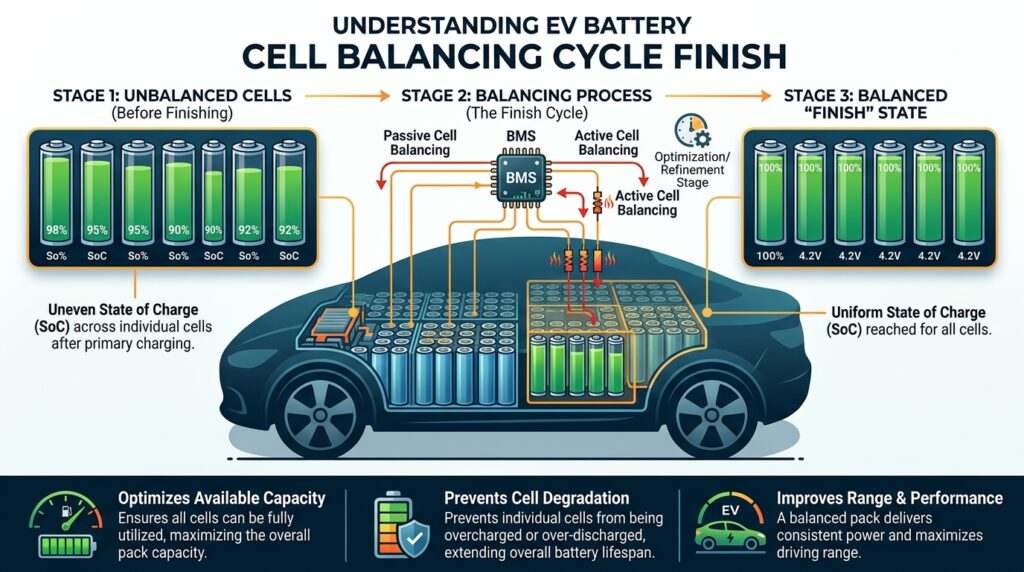
Once a week, it’s beneficial to leave your electric vehicle (EV) plugged in overnight, even after it indicates that charging is complete. This allows the battery management system to balance the internal battery cells, a process which requires time. Consistently unplugging the vehicle immediately after charging prevents this balancing, leading to a quicker decline in range over time. By keeping the vehicle plugged in occasionally, the battery maintains steadiness and optimizes range accuracy, without exceeding the usual charging limit. This habit is recommended by brands like Tesla, Hyundai, and Kia, contributing to smoother EV performance and reliability in range estimates.
7 Start smooth and recalibrate driving efficiency
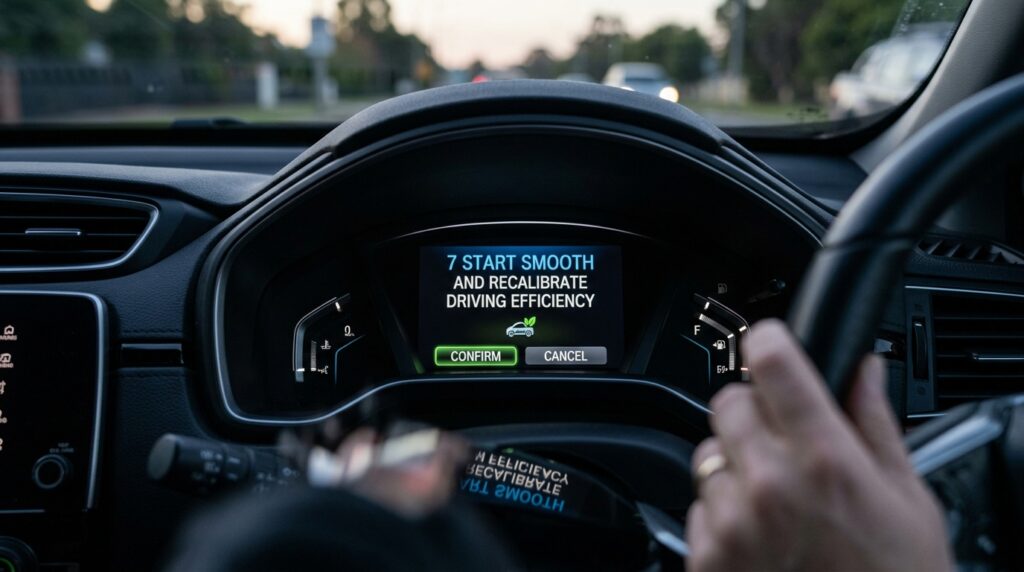
To maximize the longevity and performance of your electric vehicle (EV) battery, start driving gently after charging to prevent heat buildup, using light throttle and regenerative braking. Monthly checks on energy consumption can indicate if a full cycle or balancing session is needed. Implement the 10% calibration trick by allowing the battery to drain to near 10% before recharging every few weeks. This practice helps the battery management system (BMS) accurately estimate range and keeps battery health optimal. Smooth driving during low charge periods is crucial to avoid stressing the battery. Regularly calibrating your battery maintains reliable range predictions, reduces stress, and promotes pack longevity.